

Lisbon
Light and dark

This week, I watched a film made in Lisbon in 1991.
As I watched, I realised that he chiaroscuro has gone out of Lisbon.
The white of the image was dazzling and the shadow was as black as night in the middle of the day. That’s how I remember Lisbon from back then.
Twenty five years ago, Lisbon was grubby, fusty, falling to pieces, conservative (small c) and smelled of mildew and naphthaline and bacalhau, and I loved it. The cafés and snack bars and tascas were unfussy and unfussed. They sold what they sold, and you were lucky if you got a smile out of the miserable old sods behind the counter or waiting tables. Their decor was cheap tiles, dark wood and aluminium, mostly aluminium. The handful of upmarket restaurants were so upmarket that they were laughable, only frequented by the extraordinarily large-haired types and their beblazered husbands.
The Baixa was crumbling, and the only shops there were haberdasheries and fashion boutiques for unfashionable old ladies, surviving there only because of ancient rent control. Virtually nobody lived there, and nobody else wanted to. Bairro Alto was always busy but then it was only at weekends, and only smelled of piss on hot days. Cais do Sodré was desolate, a place to arrive by train or boat and scuttle away from as quickly as possible, like King’s Cross in London used to be before it was transformed into what it is today (what it is today is weird, I can’t find my bearings there, now). What visitors now call “Pink Street” wasn’t pink and was home to night clubs, seedy, less seedy or closed. Rua de São Paulo and beyond, towards Santos and Madragoa was just where people lived, and there were many closed shops and workshops. Alfama was sketchy at night and there was never a queue (or a fee) to go into the castle.
It was the capital city and very few people actually lived in the city, about 300,000 I was told back then.
Fifteen years ago it was more or less the same.
A handful of tourists came and went and ticked it off their list of capital cities they have visited. My friend Célia and I wrote a book about Portuguese food in English for that handful of visitors, as there was nothing similar that had been written since the 80s. We thought a handful of people might buy it, and then, for some random reason, Lisbon became fashionable and the tourism boom began. We still sell quite a lot of that book. Which is nice. But.
Today, Lisbon has washed its face and put on a nice dress to please all the vast hordes of new visitors, and there’s so much money swilling around that every year, new, huge hotels get the go ahead. New bars, new shops, new restaurants.
Over the years, the digital nomads arrived and the retired, from UK, France, America, the kind that call themselves expats, and from Bangladesh, Pakistan, China, the kind that get called immigrants by the expats (we are all, every one of us, immigrants). Every street in the city centre bears at least one souvenir shop full of crap made in China with crazy fluorescent lighting that beams the reflected light from hackneyed blue and white tile print magnet, postcards, scarves, sunglasses onto the street, and you’ll be hard pressed to find a café or restaurant in Lisbon centre that hasn’t got a concept. You’ll not find a “snack bar” in the city centre any more, the tourists wouldn’t like them, and any old school tasca that still exists is hanging on by its fingernails or has appeared in a guidebook somewhere, and has become unusable by its usual clientele because it is too busy and or too expensive.
Cais do Sodré and Bairro Alto now smell of piss even on cold days.
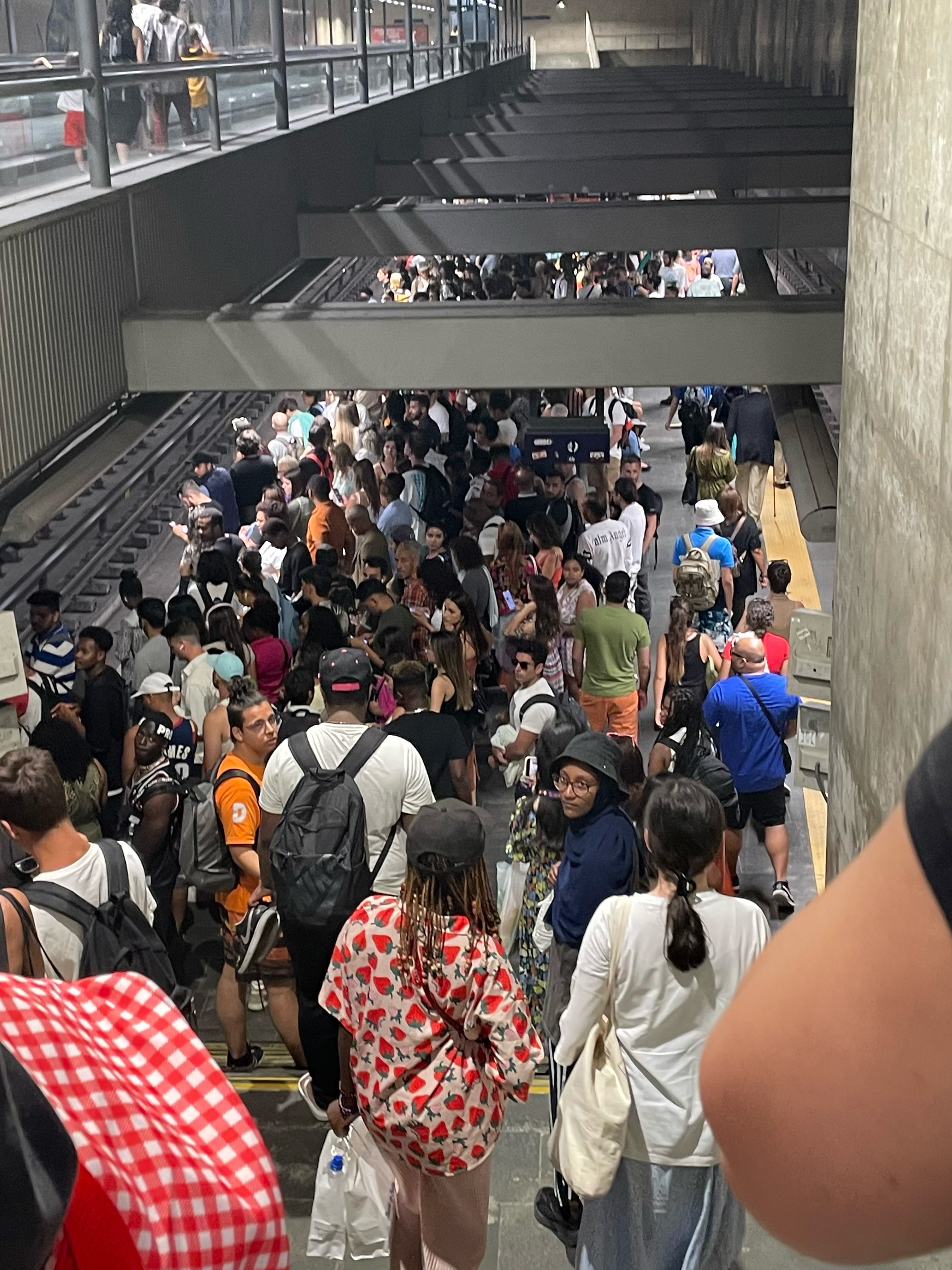
Walking around the streets, you hardly hear Portuguese spoken any more.
This remodelling has revitalised parts of the city that were crumbling, the Baixa for one, and many other parts where the rentals have flourished, and that’s marvellous, but Lisbon hasn’t been remodelled for everyone.
It’s only been remodelled for the tourists, for the expats, for the digital types.
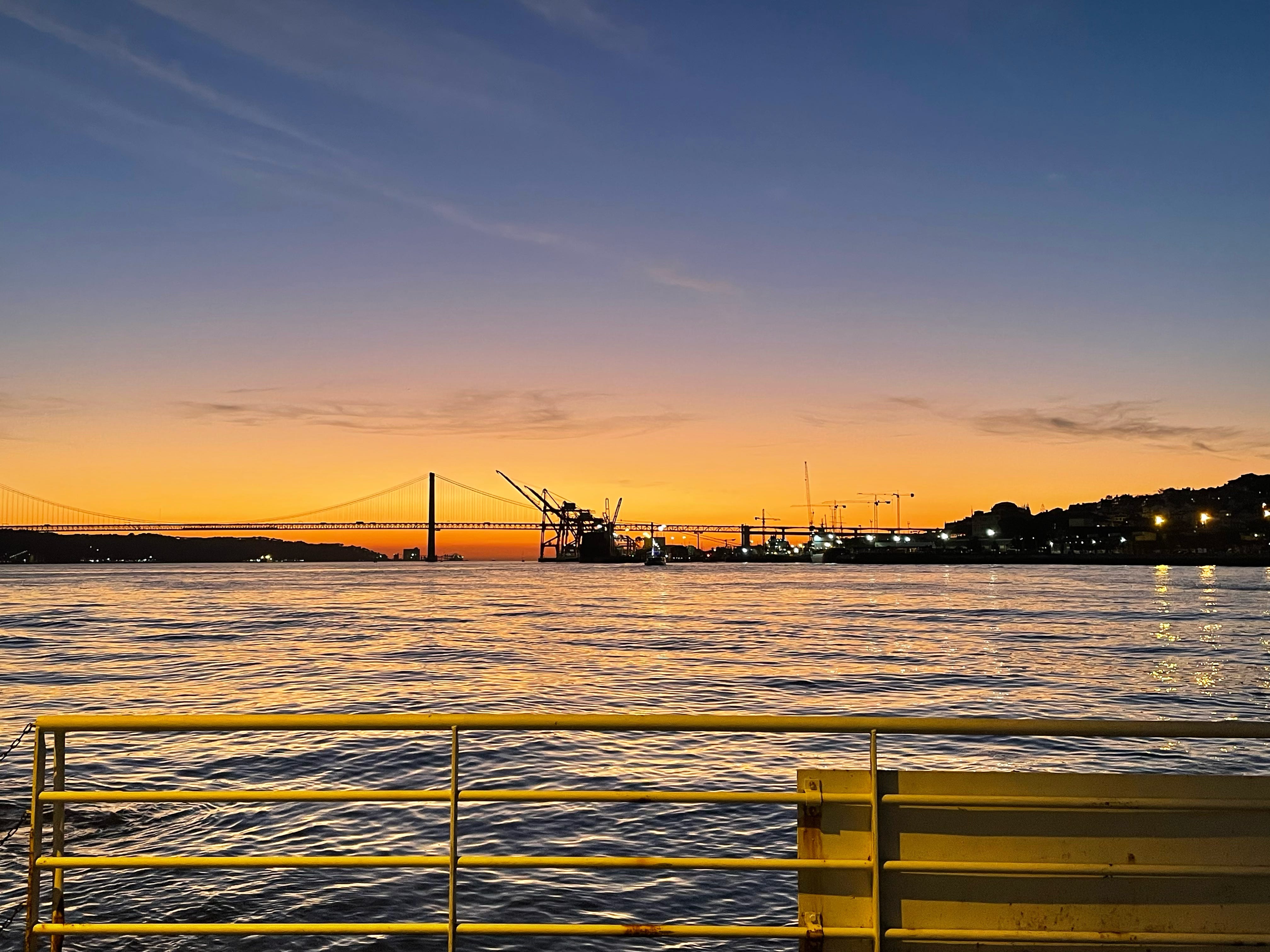
They forgot about the actual Lisboetas who can’t afford to live here any more, who can’t afford to go to the supposedly “Portuguese” restaurants that are purely for tourists or the high end ones by the famous chefs, who have given up going to the city centre because it’s just unbearably full now. And the money that washes in… it doesn’t go to them. This could all have been done differently, more carefully, but the council just sold out, sold everything to the highest bidder, and Lisbon has lost its beautiful decadent chiaroscuro. I live in Almada now, and the same thing is creeping across the water to us here. We just heard that a luxury condo is going to be built next year, taking up yet another few inches of skyline any of us still have. A view, it seems, can only be the reserve of the wealthy foreigner now.
The sad thing is that I everyone I hear from, from anywhere outside Portugal, “oh you live in Lisbon? How lucky, it’s such a wonderful place!!” and I don’t know what they’re talking about.
Also, I’d add: eating out in Lisbon today is more expensive than eating in Spain or Italy. Grocery shopping at Pingo Doce is so expensive compared even to Italian Coop in the rich northeast that I can’t believe it - I can compare my grocery bills from 2018 Lisbon, and weep.
Everything looking generic? Slowly happening to my hometown now, but I hope the ornery folk keep it a bit natural over the years.